
Children’s Book Illustration Styles That Capture Kids’ Attention Ages 3–8

Children’s book illustration is a world where stories are not just told, but they come alive on the page. Words in the children’s book are just half the magic, and the real spark comes from the pictures. A single catchy illustration can make children feel curious, giggle, and sit quietly, just to stare at the page. This blog is a smart and friendly guide to the children’s illustration styles that can capture the attention of children ages 3-8.
Before remembering the sentence, children see the image first. This is why illustration style matters the most to children’s books, and the right one can turn the simple idea into a whole new world that a kid wants to return to again and again.
Why Illustration Style Matters For Children’s Books
The choice of the illustration style can make or break the impression for your children’s book. Hundreds of children’s books are published every month, but your visual approach determines whether your reader will pick it up or just scroll through it entirely. The main and first process point for the children’s book is the visuals before the text. Research shows that children aged 3-8 rely heavily on visual cues to understand character relationships, narrative structure, and emotional context. The benefits of choosing the best children’s book illustration styles are:
- Enhanced Comprehension: Pictures and illustrations help children understand complex concepts and story progression.
- Memory Retention: Visual storytelling enables crafting strong memory pathways and improves story recall.
- Emotional Connection: Illustration can directly influence how children relate to the emotions and characters.
- Cultural Understanding: Diverse illustration styles help the children to explore different artistic traditions and perspectives.
Illustration Styles For Ages 3-8
It is crucial to understand the children’s book’s illustration style to make an informed decision tailored to your target audience and story goals.
1. Cartoonish And Animated Style
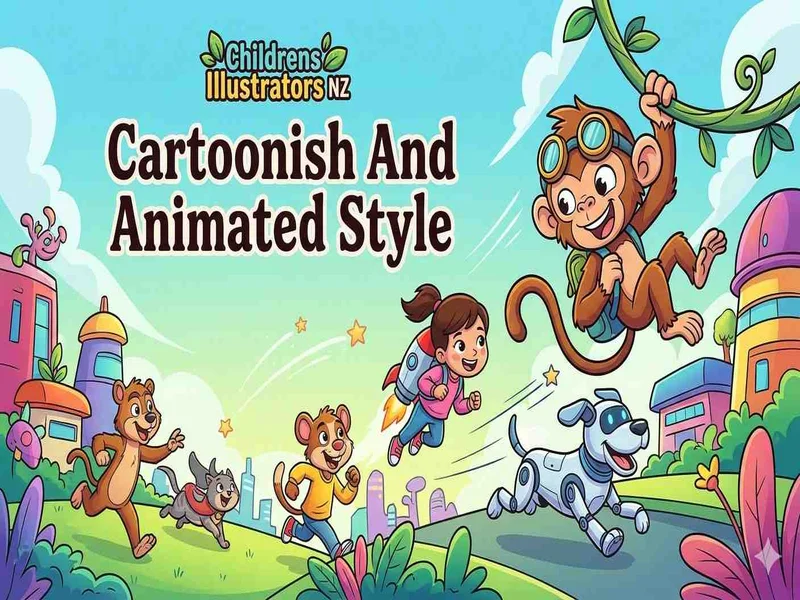
Cartoonish illustration is the most prevalent approach in children’s book publishing. Cartoon artists include the following style characteristics:
- Simplified Forms: Easily recognizable and clean shapes and silhouettes.
- Exaggerated Features: Oversized eyes, expressive faces, and dynamic proportions.
- Bright Color Palettes: Vibrant hues to capture children’s attention and energy.
- Anthropomorphic Elements: Animals and objects having human characteristics.
2. Realistic Illustration Style
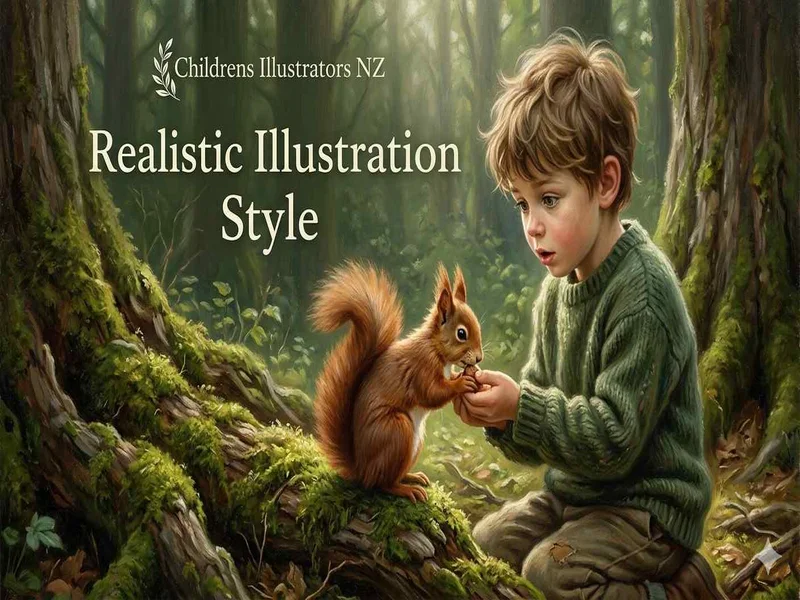
Realistic illustration style brings the emotional depth and authentic details, and is perfect for representing real-world diversity and addressing serious topics. The characteristics of this style are:
- Accurate Proportion: Realistic human and animal anatomy.
- Color Work: Subtle color variation and sophisticated shading.
- Detailed Textures: Rendering with the sophisticated skin, clothes, and other surrounding elements.
- Emotional Authenticity: Genuine body language and facial expression.
3. Watercolor Style
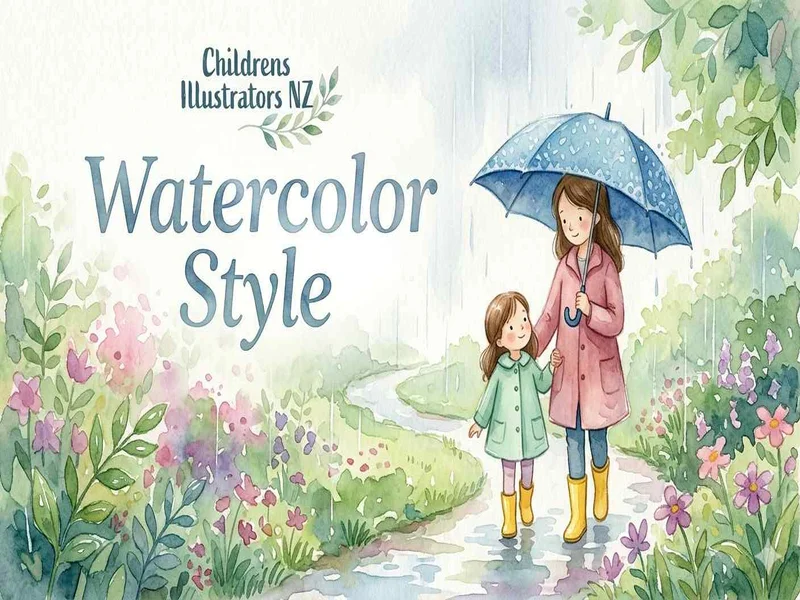
Hand-painted, warm illustration style with a soft, emotional, and gentle texture is perfect for bedtime stories and nature themes. The characteristics of watercolor style include:
- Soft Edge Quality: Organic, flowing boundaries between colors.
- Color Bleeding: Intentional color bleeding and gentle gradations.
- Texture Visibility: Apparent paper texture and brush strokes.
- Handmade Authenticity: Visible process of art with a human touch.
4. Fantasy And Whimsical Style
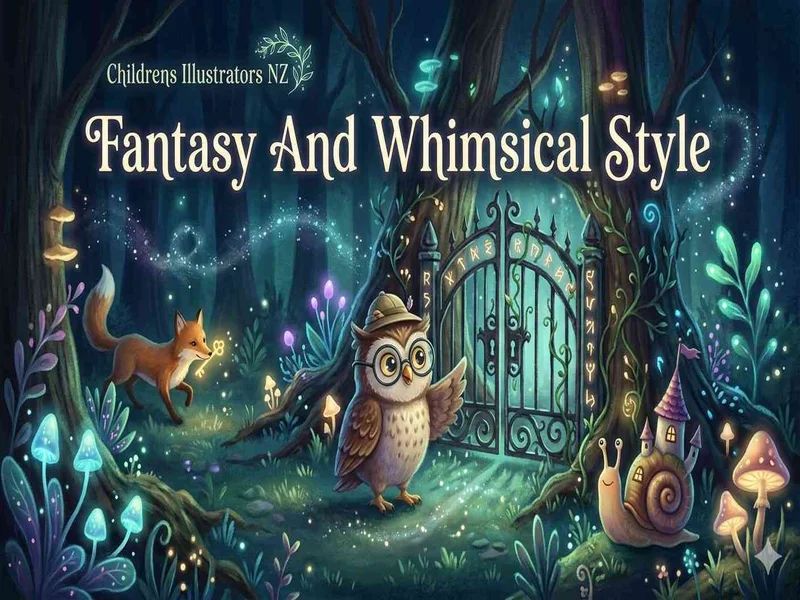
Whimsical style can transport the readers to an imaginative world that sparks creativity and wonder. Illustrators of children’s books in a whimsical style include the following characteristics.
- Imaginative Creatures: Fantastical animals and magical beings.
- Flowing Lines: Organic shapes that suggest movement and magic.
- Ethereal Color Schemes: Magic glows, soft pastel, and atmospheric effects.
- Environmental Fantasy: Impossible architectures and dreamy landscapes.
5. Minimal And Modern Styles
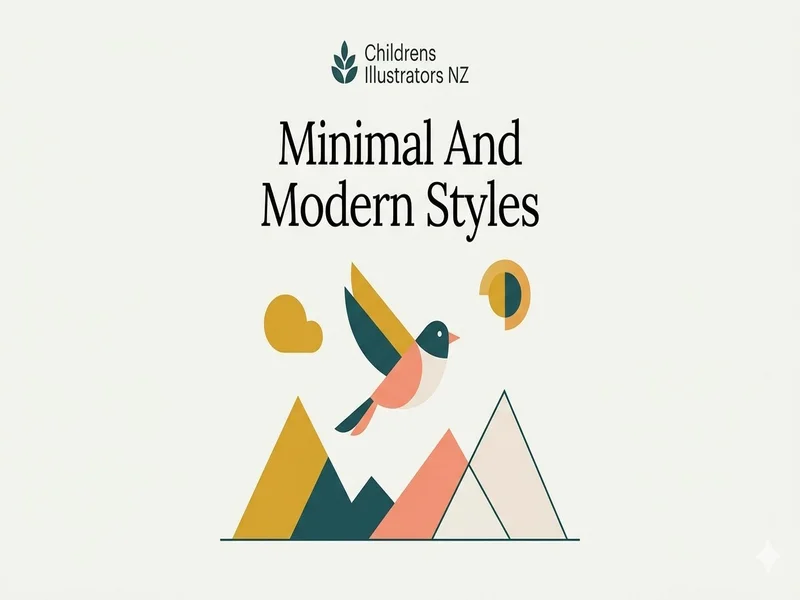
Minimal style uses essential story elements to make complex themes accessible to young readers. The common characteristics of a minimalist style are:
- Limited Color Palettes: Use of 2-4 primary colors.
- White Space: Effective use of white space for breathing room.
- Geometric Shape: Simplified forms and clean lines.
- Typography Integration: Text and image work harmoniously.
6. Digital Children’s Book
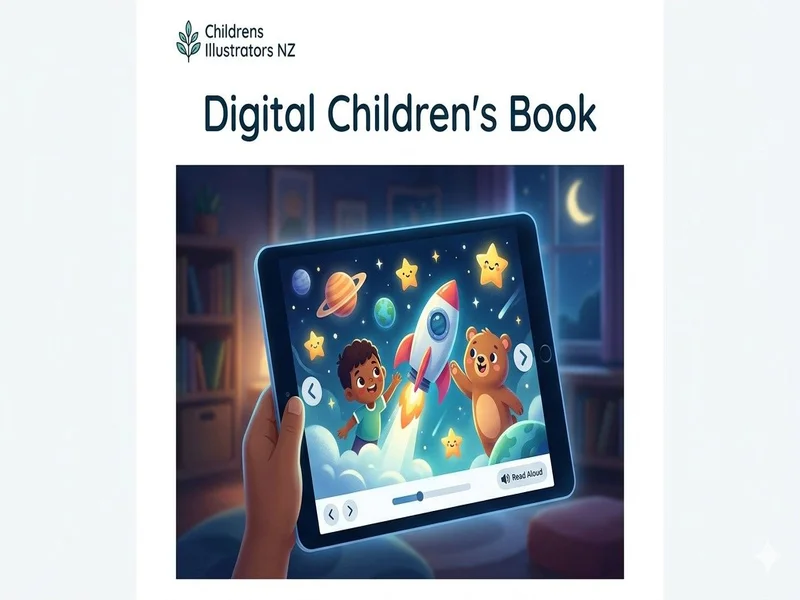
Digital style illustration provides crisp and scalable artwork, which is best for multi-platform publishing, maintaining commercial appeal, and professional polish. The characteristics of the style for digital children’s books are:
- Clean Vector Lines: Sharp and scalable shapes, maintaining the quality at any size.
- Graphic Design Elements: Typography and illustration integration.
- Flat Color Design: Solid colors without shading and gradients.
- Contemporary Aesthetics: Modern design sensibilities and trending color palettes.
7. Mixed Media Art
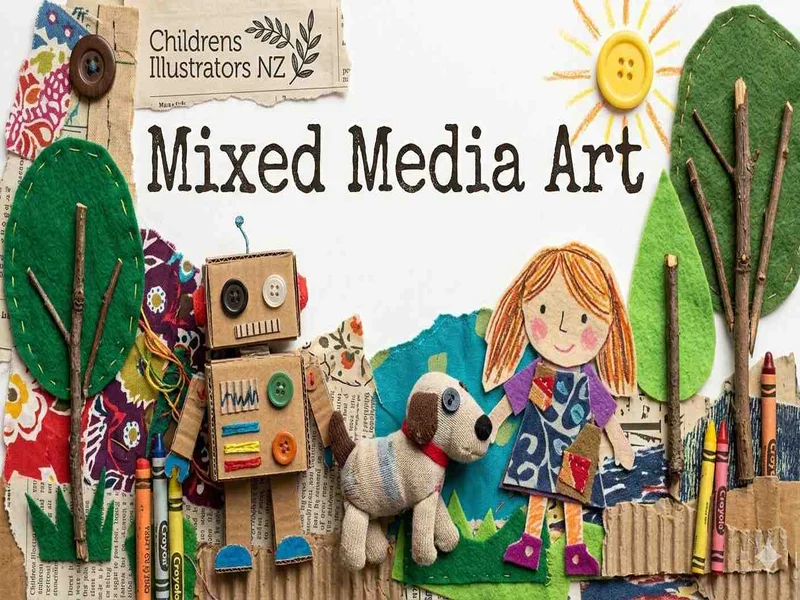
Mixed media children’s book art styles use multiple artistic techniques to craft unexpected visuals and artistic diversity. The common styling characteristics of mixed media art are:
- Material Combinations: Photography, painting, collage, and digital elements.
- Layered Composition: Various artistic techniques in a single illustration.
- Textual Diversity: Multiple material crafting tactile visual experiences.
- Experimental Color: Unexpected color combinations and artistics affect.
How To Choose The Right Illustration Style
Choosing the appropriate simple children’s book illustration styles requires considering some factors that influence both commercial viability and creative success.
1. Consider Age Group
Each age group responds to specific visuals, and making an age-appropriate style is important for readers’ engagement. Age 3-6 needs a picture book with bright, engaging colors and detailing background with expressive characters and action-oriented scenes. Children aged 6-8 are early book readers who need consistent character design, cultural specificity, scene variety, and sophisticated humor.
2. Theme And Genre Alignment
The illustration of your book should be aligned with the story content, ensuring visuals and narrative elements work harmoniously, enhancing the overall experience of the reader. For example: Emotional stories need realistic or semi-realistic illustration, nuancing emotional expression, and authentic character development.
3. Production And Budget
Practical constraints should focus on the style preferences and production. Independent authors also need to manage the timeline and cost of the required illustration.
4. Market Research And Competitive Analysis
Understanding current marketing preferences is crucial to making an informed decision about the style that can balance the creative vision with commercial viability. You can research it through:
- Bestseller analysis
- Genre comparison
- Award-winning study
- Target audience testing
Do children prefer digital art or traditional media?
Children don’t care about the medium, but their main focus is color vibrancy, contrast, and character expense. They attract towards both the vibrant digital vectors and hand-drawn art, provided the characters are emotional and relatable.
How can an illustration style aid early literacy?
At the ages of 3-8, children focus on visual cues to decode what is happening in the text. Adding emotive and clear characters with context-rich backgrounds can help them comprehend complex feelings and follow plot twists before they can read the words.
Which illustration style is best for reluctant readers?
The best style for reluctant readers is a bold, highly dynamic cartoon and comic book style. It includes the shorter bursts of text, which are paired with energetic visuals that make them feel more approachable and less intimidating for young learners.
Final Thoughts
The best children’s book illustrations are those that can engage the senses, support the narrative, and speak directly to the child’s imagination. Using the illustration styles for children’s books can enhance comprehension, build emotional connection, cultural understanding, and memory retention.

I am an advocate for the power of visual narratives. I explore the intersection of art and early childhood education. Based in New Zealand, I write informatie blogs and articles for authors on how to bring characters to life and engage young readers through vibrant, imaginative illustrations. Whether discussing 2D book trends or the psychology of color in storytelling, I am dedicated to the ‘art’ of the picture book.